Are trendy internet foot tools enough to fix a painful bony bump? If you scroll through social media, you have likely seen influencers promoting silicone toe spacers, “barefoot” minimalist shoes, and toe-stretching exercises to cure foot pain. The internet often claims these viral tools can naturally reverse a bunion.
While giving your toes more room is always a smart choice, treating a true bunion requires more than just a silicone stretching device. Because a bunion is a structural bone deformity, not just a tight muscle, you need targeted medical care to manage the underlying misalignment. Wayne Foot & Ankle elaborates below.
What Exactly is a Bunion (Hallux Valgus)?
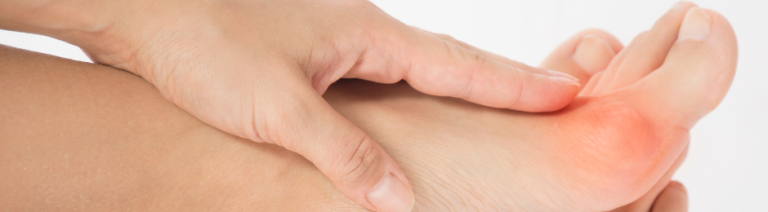
Bunions, medically known as hallux valgus, are a highly common foot deformity involving the joint at the base of the big toe. This condition develops when the big toe begins to lean heavily toward the second toe.
- This movement results in the severe misalignment of the first metatarsal bone, pulling the tip of the big toe inward toward the smaller toes.
- This misalignment forms a bony prominence—the bunion—on the outer edge of the foot.
- Over time, the constant friction and pressure cause this area to become red, tender, and intensely painful.
How Do I Know if My Toe Pain is a Bunion?
Signs and symptoms of bunions go beyond simple foot fatigue. You should look for:
- A visible, bulging bony bump on the outside of the base of the big toe.
- Redness, swelling, or soreness localized around the big toe joint.
- Persistent or intermittent pain that flares up during daily activities.
- Limited movement or stiffness of the big toe, especially if arthritis affects the joint.
- Corns or calluses, which often develop exactly where the first and second toes overlap and rub together.
- An increased likelihood of imbalance complications, such as hammertoe.
What Are the Best Treatment Options for Bunions?
While bunions are a structural problem, several treatment options are available to effectively alleviate symptoms and prevent the condition from worsening.
Managing bunions successfully often involves a combination of the following approaches:
- Lifestyle and Footwear Changes: Swapping narrow, pointed shoes for options with a wide toe box prevents further structural crushing.
- Padding and Taping: Applying medical padding reduces friction against the bony bump, while specialized taping can temporarily alter the stress on the joint.
- Orthotic Devices: Custom foot orthotics provide the exact structural support needed to slow the progression of the deformity.
- Targeted Physical Therapy: Exercises and stretches can maintain joint mobility and strengthen the surrounding stabilizing muscles.
- Splints for Nighttime Wear: Wearing a splint while you sleep helps hold the toe in a straighter position, easing morning joint stiffness.
- Medications: Anti-inflammatory medications can help manage acute pain flare-ups and reduce severe swelling.
- Surgical Intervention: While non-surgical methods help alleviate pain and slow progression, surgery might be considered for severe cases or when conservative treatments completely fail to provide relief.
Expert Care in Wayne
While non-surgical methods can help you stay comfortable, managing the structural bone shift requires professional guidance. Don’t wait for things to get worse, and don’t worry about your visit. We’ll listen to your concerns and answer your questions, and together, we’ll find the treatment plan that makes most sense for you.
Questions? Concerns? Dr. Lindsey Calligaro at Wayne Foot & Ankle Center is happy to help. Our team has tools, techniques, and proven expertise to treat your feet. Contact us today to schedule an appointment!