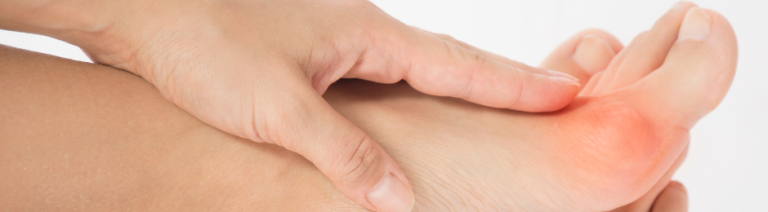
Do you notice your children coming home with red, peeling, or itchy feet? In the middle of a hot, humid July, the problem typically isn’t dry skin. Often, your child has picked up a highly contagious fungal infection known as athlete’s foot.
In the following blog, Wayne Foot & Ankle explains how to tell the difference, where they likely caught it, and how to cure it before it spreads to the rest of the family.
The Great Moisturizer Mistake
When parents see flaky, peeling skin on their child’s heels or between their toes, their first instinct is usually to grab a heavy, over-the-counter moisturizing lotion.
- If the foot is truly just dry from walking on hot summer sand, lotion helps. But if the peeling is caused by a microscopic fungal infection (tinea pedis), applying a thick layer of moisturizer is the absolute worst thing you can do.
Here’s the issue: fungus thrives in dark, warm, and highly moisturized environments!
- By slathering lotion onto an active infection and trapping it inside a sweaty summer sneaker, you are actively feeding the fungus and accelerating the spread!
- You might be looking at a fungal nail infection soon…
Where Are Kids Picking Up Foot Fungus?
Athlete’s foot is highly contagious and spreads through direct contact with infected surfaces. The microscopic spores thrive wherever moisture and heat are trapped. Common summer hotspots include:
- Indoor Trampoline Parks: These facilities are popular right now, but the foam pits and grip-sock surfaces are prime breeding grounds for bacterial and fungal spores.
- Martial Arts and Gymnastics Mats: Any sport performed barefoot on a shared, padded mat carries a high risk of cross-contamination.
- Splash Pads and Pool Decks: Puddles of stagnant water around public pools create the perfect transmission vehicle for fungal spores to attach to skin.
Three Signs It Is a Fungal Infection
How can you definitively tell if your child is dealing with athlete’s feet rather than standard summer dry skin? Look for these three distinct warning signs:
- Intense Itchiness: Dry skin might feel a little tight or rough, but a fungal infection will cause an intense, burning itch, particularly right after your child takes off their shoes and socks.
- Location of the Peeling: While dry skin usually impacts the bottom of the heel, athlete’s foot almost always begins as red, scaling skin trapped specifically between the fourth and fifth toes.
- Small Blisters: If you notice tiny, fluid-filled blisters along the arch or the sides of the foot, it is a guaranteed sign of an active fungal or bacterial infection.
How To Actually Cure It
If you suspect your child has picked up a fungal infection from summer camp, skip the pharmacy aisle. Over-the-counter peeling acids and generic fungal creams are often too harsh for pediatric skin or simply too weak to eradicate the root spores.
- Instead, bring them in for a professional pediatric foot exam.
- Our specialists can immediately and accurately diagnose the infection and dispense physician-strength, pediatric-safe topical treatments directly from our office.
- This ensures the infection is removed quickly and safely!
At-Home Prevention Protocol
Once the treatment begins, you must break the cycle of reinfection at home.
- Ensure your child rotates their summer sneakers so each pair has a full twenty-four hours to dry out.
- Have them wear dedicated shower shoes in locker rooms and thoroughly wash all of their athletic socks in hot water.
Do not let a stubborn fungal infection keep your kid on the sidelines. Contact our clinic today, and we’ll fix that fungus together!
Questions? Concerns? Dr. Lindsey Calligaro at Wayne Foot & Ankle Center is happy to help. Our team has tools, techniques, and proven expertise to treat your feet. Contact us today to schedule an appointment!